7 Must-See Newcastle Skyline Views in 2026
Discover the top 7 spots for the best Newcastle skyline views in 2026, including riverside walks, iconic bridges, and rooftop bars. Plan your perfect photo tour today.
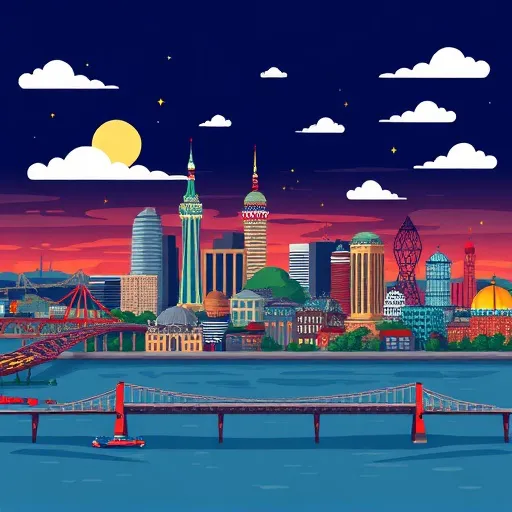
Newcastle skyline ev
A Tale of Two Rivers: The Historical Context Behind Today's Newcastle Skyline
To truly appreciate the newcastle skyline in 2026, you've got to rewind the clock a bit. For centuries, this city was the beating heart of the Industrial Revolution in the North East—a gritty powerhouse fueled by coal mining, shipbuilding, and heavy engineering. Back then, the skyline wasn't about sleek glass and artistic curves; it was dominated by the smoke stacks of Tyneside and grand civic buildings that screamed wealth and ambition. The iconic Tyne Bridge, which first opened its steel arms in 1928, was the undisputed crown jewel—a symbol of connection and progress that locals still adore today. But here's the thing: the late 20th century hit hard. Deindustrialization swept through, leaving warehouses crumbling and docks abandoned along the river. For a while, the newcastle skyline went from being a badge of productivity to a sad reminder of neglect. Walk along the Quayside in the 1980s, and you'd see empty buildings staring back at you. It wasn't pretty. Then came the turn of the millennium, and everything shifted. The construction of the Gateshead Millennium Bridge—that tilting pedestrian bridge locals lovingly call the "Blinking Eye"—was a bold statement. It wasn't just about getting people across the river; it was about announcing that this city was ready for the global architectural stage. Alongside the iconic Sage Gateshead music centre, these structures laid the cultural bedrock for everything that's followed. And let me tell you, the transformation since then has been nothing short of spectacular.The 2026 Landscape: Contrasting Architectural Icons and Modern Marvels
Fast forward to 2026, and the newcastle skyline is a fascinating study in contrasts. The historic core remains anchored by the magnificent Cathedral of St Nicholas, whose lantern tower has guided sailors home for centuries. That medieval structure now stands shoulder-to-shoulder—well, sort of—with gleaming glass towers that have sprouted up along the Quayside and deep into the city centre. It's like walking through a timeline of architectural history, and honestly, it works beautifully.The Rise of High-Rise Residential Living and Luxury Apartments
One of the biggest changes in the last couple of years? The explosion of high-rise residential living. The demand for city-centre apartments has gone through the roof, driven by a wave of young professionals and a booming student population. Old office blocks are being gutted and reborn as luxury flats, while brand-new constructions are reaching heights we never thought we'd see up here. The standout addition to the 2026 silhouette is the Hadrian's Heights development. Standing tall at 38 stories, it's officially the tallest building in the North East. Its twisting, spiraling design isn't just for show—it maximizes natural light and offers panoramic views that stretch all the way from the North Sea to the Pennines. This building has quickly become a new point of reference, a modern landmark signaling financial confidence and a seriously forward-thinking attitude. When you look at the newcastle skyline now, this is the first thing your eyes gravitate toward.The Cultural Corridor: Art, Music, and Innovation Along the Quayside
Heading along the Quayside, the newcastle skyline is punctuated by heavy hitters in the cultural scene. The BALTIC Centre for Contemporary Art—a converted flour mill—remains a massive, unmissable presence. Its industrial brick facade is a gritty nod to the past, but inside, it's all about cutting-edge art and boundary-pushing exhibitions. Across the river, the curved, stainless-steel roof of the glasshouse (formerly the Sage) keeps catching the light in ways that make photographers swoon. It shimmers, it glows, it's pure magic at sunset. But wait, there's more. In 2026, a brand-new addition to this cultural corridor has opened its doors: the Tyne Riverside Museum of Innovation. Designed by a leading international architecture firm, this building features a cantilevered viewing platform that juts right out over the water. It adds a whole new layer of depth to the skyline, drawing your eye down to the river's flow and then back up to the city's spires. It's interactive, it's immersive, and it's already a fan favorite.The Economic Drivers Behind the Rapid Skyline Growth
So, why is the newcastle skyline changing so fast? The answer comes down to a potent mix of economic factors. This region has pulled off one of the most impressive transitions in the UK—moving from heavy industry to a knowledge-based economy. Tech hubs, financial services, and creative industries are absolutely thriving here. The city has become a national leader in software development and data analytics, earning the nickname "the Silicon Tyne." That influx of high-paying tech jobs has created serious demand for premium office space, which means new commercial towers are popping up left and right. Take the Quayside Exchange building, completed in late 2025. It's a prime example of what's possible—boasting "smart building" technology with AI-managed climate control and shared rooftop terraces designed to spark collaboration. It's not just an office; it's a statement. And let's not forget the university sector. Both of the city's major universities have invested heavily in new campus facilities and student accommodation towers. These buildings, often sitting on the periphery of the city centre, add to the dense, urban feel of the skyline and ensure the city stays vibrant at all hours. Between the students, the techies, and the creatives, there's always energy in the air.Vertical Living: The New Normal for City Dwellers
"Vertical living" has truly taken hold in 2026. The newcastle skyline is defined by cranes and scaffolding, sure, but also by the lifestyle these new towers offer. Modern apartments here aren't just homes—they're lifestyle packages designed to impress. Developers are in a full-on arms race to offer the best amenities. We're talking rooftop running tracks, infinity pools, co-working spaces, and private cinemas. These are now standard features in the premium blocks. And it's working—they're attracting a specific demographic of affluent professionals who value convenience and killer views over traditional suburban gardens. But here's the flip side: this vertical expansion isn't without its critics. Local community groups have raised legitimate concerns about the loss of sunlight in certain streets and the pressure on local infrastructure. When you look at the skyline, you can see the tension between commercial progress and community preservation. The city council has responded with stricter planning regulations, making sure new towers offer a "public benefit"—whether that's affordable housing units or new green spaces—in exchange for height permissions. It's a balancing act, and so far, it's working.The Aesthetic Shift: Glass, Steel, and a Whole Lot of Greenery
Aesthetically speaking, the 2026 skyline is way greener than it was a decade ago. The trend of biophilic design has officially reached the North East. Many of the new towers feature cascading balconies packed with plants, creating a "vertical forest" effect. This isn't just about looking pretty—it helps with insulation, reduces the urban heat island effect, and improves air quality. Win-win. The materials have evolved too. While glass still dominates, there's a noticeable move toward more sustainable materials like cross-laminated timber (CLT) for lower-rise structures. This mixes a warm, natural texture into the cold, blue-glass aesthetic, adding a visual warmth that was seriously missing before. It's a subtle shift, but once you notice it, you can't unsee it. And the lighting design? Oh, it's a whole spectacle. The evening skyline is a canvas of LED installations. The bridges are bathed in changing colors—blue for the local football team, pink for charity events, you name it. The new towers feature dynamic lighting that can be synchronized for major festivals, turning the entire newcastle skyline into one giant, glowing masterpiece. If you haven't seen it at night, you haven't really seen it.Best Vantage Points to View the Newcastle Skyline in 2026
Whether you're planning a visit or you're a local looking for a fresh perspective, here are the top spots to soak in the newcastle skyline this year.1. The Gateshead Riverside Walk
This is the classic postcard view, and for good reason. Walking along the south bank of the Tyne, you get the full panorama. The Tyne Bridge sits in the foreground, the Millennium Bridge off to your left, and the new residential towers rising up behind them. At night, the reflections on the water are absolutely breathtaking. Bring your camera—you'll thank me later.2. The Top of Hadrian's Heights
Technically a private residence, but the building has a public observation deck on the 35th floor. For a small fee, you can ascend to the top and see the entire city laid out like a map. From up here, you can truly appreciate the density of the newcastle skyline and see how the city sprawls out toward the coast. It's a perspective you won't get anywhere else.3. The Castle Keep
For a historical angle, the Castle Keep offers a lower but way more intimate view. You're eye-level with the tops of the older buildings, and you can see the modern towers peeking over the rooftops. It's a powerful reminder of the layers of history stacked within this city—medieval, industrial, and modern, all coexisting.4. The Jesmond Dene Viaduct
If you prefer nature with your architecture, the railway viaduct in Jesmond Dene offers a unique view. Looking south, you see the skyline framed by the trees of the forested valley. It's a beautiful contrast of natural green and urban grey, showing how the city integrates with its surroundings. Peaceful, scenic, and totally underrated.The Future: Where Is the Newcastle Skyline Headed Next?
Looking ahead, the trajectory is clear: the newcastle skyline is going to keep reaching for the clouds. Several major projects are lined up for the late 2020s, and they're ambitious. The most exciting is the "East Bank" regeneration project. This is a massive mixed-use development on the eastern edge of the Quayside. Plans include a 50-story mixed-use tower, a new pedestrian bridge, and even a public beach on the river. If approved, this would completely reshape the eastern profile of the city, extending the skyline in a major way. There's also a big push for retro-fitting older buildings. Instead of demolishing the 1960s and 1970s concrete blocks, engineers are developing methods to add new floors and upgrade facades. It's a more sustainable approach to skyline evolution—preserving the embodied carbon of existing structures while modernizing their appearance. Smart thinking, right?The Skyline as a Symbol of Geordie Identity and Pride
Ultimately, the newcastle skyline is way more than just a collection of buildings. It's a symbol of the city's identity. It reflects the Geordie spirit—proud, resilient, and unafraid to embrace change. This skyline tells the story of a city that refused to be defined by industrial decline and instead chose to reinvent itself for the 21st century. When you look at the skyline from the river, you see the past (the cathedral and the Tyne Bridge), the present (those glittering glass towers), and the future (the cranes on the horizon). It's a dynamic, ever-changing entity that invites you to look up and dream. For photographers, it's endless possibilities. For investors, it signals stability and growth. For residents, it provides a sense of place and pride. As we navigate through 2026, this skyline remains a testament to what a city can achieve with vision, investment, and a little bit of northern grit. So whether you're capturing it on your camera, moving into one of its new apartments, or just enjoying a coffee on the Quayside, take a moment to appreciate the complexity and beauty of the newcastle skyline. It's a masterpiece in progress, and we're all living inside the art.Key Takeaways for Visitors and Investors Eyeing the Newcastle Skyline
- Photography: The best light hits at sunrise, when the sun rises over the North Sea and bounces directly off the glass towers. Golden hour here is pure gold.
- Transport: The new Metro extension line connects the East Bank directly to the city centre, making all these new developments super accessible. No car needed.
- Investment: Rental yield in the new high-rise buildings remains among the highest in the UK outside the capital, fueled by the university and tech sectors. If you're thinking long-term, this is the spot.
- Culture: Don't miss the "Northern Lights" projection show every November—it uses the entire skyline as a giant screen. It's a spectacle you won't forget.