7 Best Leeds Skyline Views & Photography Spots for 2026
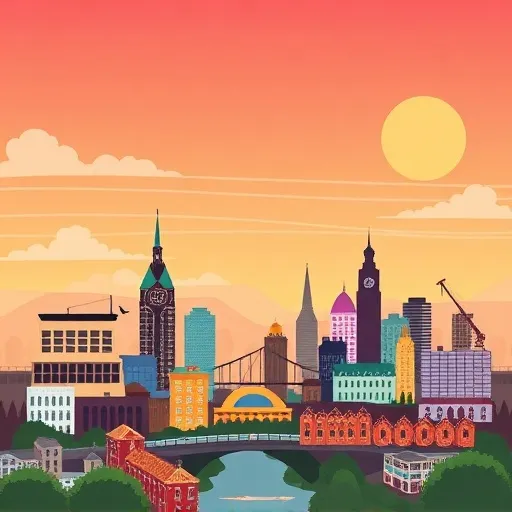
Leeds skyline in 202
Why the Leeds Skyline Matters More Than Ever in 2026
Let's be honest — we judge cities by their skylines. It's not exactly fair, but it's how the human brain works. The leeds skyline is literally the first thing people see when they step off a train at the station or scroll past a photo on social media. And in 2026, the leeds skyline is carrying a whole lot of weight when it comes to the city's reputation as one of the UK's most exciting urban centers. Whether you're into architecture, urban planning, or just curious about how cities evolve, the leeds skyline tells a genuinely compelling story right now.
Over the past several years, Leeds has quietly transformed itself into a serious hub for financial services, legal firms, tech startups, and creative industries. All that economic energy had to go somewhere — and it went up. New residential towers, office developments, and mixed-use complexes have completely reshaped the city's silhouette in ways that would've been tough to predict a decade ago. The leeds skyline isn't just about architecture — it's a barometer of confidence. When cranes go up, it means people believe in a place. And right now, plenty of people believe in Leeds.
For anyone tracking urban development trends, the leeds skyline has become a fascinating case study. The city isn't trying to compete with London or Manchester on sheer height, and that's precisely the point. Instead, the leeds skyline has developed a distinctive character: human-scaled, varied, and deeply rooted in the city's industrial heritage while pushing firmly into the future. It's the kind of skyline that rewards a closer look rather than just a quick glance from a distance.
The Defining Features of the Leeds Skyline: Old Meets New Architecture
So what actually makes up the leeds skyline today? If you tried to sketch it from memory, a few key elements would probably come to mind. The signature move here is the blend — Victorian-era architecture, grand civic buildings, and historic warehouse conversions sitting comfortably alongside sleek glass towers. That contrast is what gives the city its visual personality. The leeds skyline doesn't erase its past — it layers on top of it, creating a horizon that's genuinely rewarding to explore. From certain angles, you'll spot a modern high-rise framed against a 19th-century facade, and somehow it just works. Urban planners love talking about "layered cities," and the leeds skyline is basically a textbook example of that concept in action.
Residential Towers and Office Landmarks Reshaping the City
One of the biggest stories of the past few years has been the boom in residential high-rises. Demand for city-center living has surged, and developers have responded with taller, denser housing developments. These towers have added new vertical punctuation marks to the leeds skyline, particularly on the western and southern edges of the city center. What's genuinely interesting is how these buildings are designed — there's a real emphasis on amenities, rooftop spaces, and street-level activation. The best of them don't just add height to the leeds skyline; they add life to the streets around them.
The commercial core of the leeds skyline keeps evolving too. Older office stock is being refurbished or replaced, and new developments are targeting the kinds of tenants that drive a modern economy: flexible workspaces, collaborative hubs, and high-spec commercial floors. These buildings tend to be the ones that define the leeds skyline in photographs, and for good reason — they're designed to impress. Not every important building in the leeds skyline is tall, though. Some of the most recognizable structures are cultural and civic buildings that anchor entire districts, giving neighborhoods their identity and drawing foot traffic, tourism, and community activity. A skyline isn't just about height — it's about meaning.
Best Vantage Points and Viewing Spots for the Leeds Skyline
Okay, let's get practical. Where do you actually go to take in the leeds skyline in 2026? Here are some standout spots, from well-known vantage points to a few lesser-known gems. Rooftop bars and terraces across the city offer elevated views and have become social hubs in their own right — book ahead on weekends. Hills and parks on the city's edge deliver some of the best panoramic views, letting you take in the full sweep of the leeds skyline against the surrounding landscape. If you're arriving by train, pay attention — the railway approach into the city offers a moving panorama of the leeds skyline that's genuinely underrated. Riverside walkways provide reflective, low-angle views that photographers love, especially at golden hour. And several higher-floor restaurants give you a skyline view with your meal — a great option for visitors who want the view without the hike.
Economic Growth and Planning Policy Driving Skyline Evolution
If you want to understand why the leeds skyline looks the way it does in 2026, you have to look at the forces behind it. This isn't random growth — it's the result of deliberate strategy and market demand. Leeds has positioned itself as a major economic center in the region, and that's attracted sustained investment. When businesses move in, they need space. When workers move in, they need homes. That cycle drives vertical development, and the leeds skyline is the most visible result. Local planning frameworks have also played a huge role in shaping what gets built and where — density targets, design standards, and heritage protections all influence the leeds skyline. Industry professionals often point out that the best skylines come from places where planners and developers actually collaborate, and Leeds has been moving in that direction.
There's also a lifestyle story here. Demand for city-center living has changed dramatically, with younger residents, professionals, and downsizers all increasingly drawn to walkable urban neighborhoods. That demand fuels residential towers, which in turn reshape the leeds skyline. And new developments are under more pressure than ever to meet sustainability standards — influencing everything from building materials to energy systems to how towers are oriented and designed. The leeds skyline of 2026 isn't just taller — it's greener, in more ways than one.
Neighborhoods and Districts Shaping the Leeds Skyline
The leeds skyline isn't a single thing — it's a collection of district-level skylines that add up to a whole. The city core holds the densest concentration of tall buildings, delivering the postcard views with a mix of historic landmarks and modern towers creating that signature layered look. Waterfront and regeneration zones have become some of the most exciting parts of the leeds skyline — former industrial land transformed into mixed-use districts where the architecture tends to be more experimental and contemporary. These areas are where the leeds skyline feels most forward-looking. And several emerging districts on the edges of the center are in the middle of major development — the cranes are up, the plans are approved, and the leeds skyline is changing month by month.
Photography Tips and Future Trends for the Leeds Skyline
If you're planning to capture the leeds skyline, a few practical tips go a long way. Scout your location in advance using mapping tools to find elevated or open vantage points. Shoot during golden hour — the hour after sunrise and the hour before sunset deliver the warmest, most flattering light. Include foreground interest like rivers, bridges, trees, and street scenes to add depth to skyline shots. Try blue hour just after sunset, when city lights come on but the sky retains color. And experiment with panoramas — the leeds skyline is wide and varied, so panoramic shots often work better than tight crops. Even phone cameras can capture the leeds skyline beautifully — great photos come from patience and light far more than expensive equipment.
Looking ahead, there's no sign of the leeds skyline story slowing down. Development pipelines remain active, and several high-profile projects are expected to make their mark. Expect taller buildings with much more attention to design quality, public space, and placemaking. Green infrastructure — rooftop gardens, green facades, and sustainable materials — is becoming standard rather than optional, so the leeds skyline of the near future will be visibly greener. Mixed-use developments combining housing, offices, retail, and community space are replacing single-purpose towers, making neighborhoods more resilient and giving the leeds skyline more visual variety. And heritage-integrated design means the best new architecture respects what's already there, weaving historic structures into contemporary designs. The leeds skyline in 2026 is a story of confident, well-managed growth — varied enough to stay interesting from any angle, and evolving fast enough that there's always something new on the horizon.