7 Best Bridge at Night Photography Tips & Viewing Spots in 2026
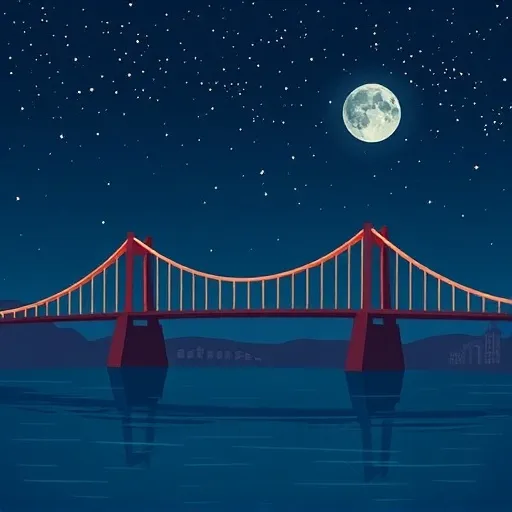
Bridges as symbols o
Why a Bridge at Night Captivates Us
A bridge at night is way more than just infrastructure—it turns into a symbol of connection, passage, and human ingenuity meeting the darkness. Once the sun dips below the horizon, the whole bridge at night experience shifts. Steel and concrete melt into silhouettes and glowing lines. Whether you're looking at a massive suspension bridge stretching across a wide river or a tiny stone footbridge over a quiet canal, the bridge at night transformation is total—and honestly, kind of magical.
From a psychology standpoint, nighttime scenes tap straight into our sense of wonder and mystery. When visibility drops, we're forced to focus on light, contrast, and shape. That's exactly why a bridge at night so often becomes the emotional centerpiece of travel photography, urban exploration content, and even romantic films. It's not just a structure—it's a mood. The bridge at night aesthetic pulls people in because it feels like a scene waiting for a story.
Blue Hour Magic and Weather Conditions for Shooting a Bridge at Night
If you're heading out to photograph a bridge at night, timing is everything. You've probably heard of the blue hour—that 20-to-40-minute window right after sunset when the sky holds a deep blue tone. In 2026, photographers still swear by it, and for good reason. The blue hour gives you balanced exposure: the sky isn't pitch black yet, and the bridge lights are already on. That combo creates a contrast that pure night shots often struggle to match—making the bridge at night look absolutely stunning.
Beyond the blue hour, keep an eye on the weather. Clear nights give you crisp reflections; foggy nights create a dreamy, atmospheric look that's incredibly popular right now on visual-first platforms. Light rain? That's your secret weapon. Wet surfaces amplify reflections from the bridge at night, doubling the visual impact. Every weather condition tells a different story with a bridge at night.
Scouting Locations and Access Points for Your Bridge at Night Session
- Access points: Check whether the bridge has pedestrian walkways or viewing platforms. Many riverbanks offer excellent vantage points for catching a bridge at night.
- Light direction: Figure out where the bridge's illumination comes from. A bridge at night lit from below looks drastically different from one lit from above.
- Background elements: Skylines, hills, or even a distant harbor can add depth to your composition of the bridge at night.
- Crowd levels: Popular bridges at night attract crowds, especially on weekends. Arrive early if you want a clean shot.
Essential Gear for Stunning Bridge at Night Photography
You don't need a massive kit, but a few items make a huge difference for a bridge at night shoot:
- A sturdy tripod: Non-negotiable for long exposures. Even modern stabilization in 2026 can't fully replace a solid tripod when you're shooting exposures of 10 seconds or more on a bridge at night.
- A fast wide-angle lens: Something in the f/2.8 range lets in more light and captures the full span of a bridge at night.
- A remote shutter release or timer: Prevents camera shake during long exposures.
- A lens hood: Blocks stray light from streetlamps and floods when shooting a bridge at night.
- Extra batteries: Cold night air drains them faster than you'd expect.
Long Exposure Techniques and AI Editing for Bridge at Night Shots
Here's where things get fun. Photographing a bridge at night is all about controlling light and motion:
- Long exposure: 10–30 seconds can turn moving water into silk and passing car lights into streaks. This is the classic approach for a bridge at night and still the most reliable.
- Low ISO (100–400): Keeps noise under control. Night shots amplify any grain, so keep it tight.
- Sunset-to-night composites: Some photographers capture the bridge at sunset and then again at full dark, blending the two. It's a technique that's grown in popularity as editing tools have become more powerful.
- Reflection stacking: Shoot into water and stack multiple shots to reduce noise in the reflection. This is where AI-assisted editing has really changed the game for bridge at night photography.
Speaking of editing: in 2026, AI-based denoise and upscaling tools have become remarkably good. A few years back, high-ISO night shots were a gamble. Today, a smart denoise algorithm can clean up images that would've been unusable in 2023 or 2024. That said, don't over-rely on it—get the exposure right in-camera. The best AI edit is the one that polishes a fundamentally solid capture of a bridge at night.
Safety Precautions and Local Regulations for Night Bridge Visits
Let's shift gears for a moment. A bridge at night is beautiful, but it also presents real risks that deserve honest attention:
- Visibility: Wear reflective clothing or light-colored gear. Drivers and cyclists may not expect pedestrians on a bridge at night.
- Wind and temperature: Bridges are exposed. Temperatures drop faster and wind is stronger than at ground level. Layer up.
- Stay within designated areas: Never climb railings or venture onto restricted sections for a better shot of the bridge at night. No image is worth that risk.
- Trip hazards: Low light hides cables, uneven pavement, and puddles. Bring a small hand torch or use your phone's light when setting up.
- Go with company: If you're shooting in an unfamiliar area, bring a friend. It's both safer and more fun.
Also, check local regulations. Some bridges at night have restricted access hours or require permits for professional photography. A quick search ahead of time saves a lot of frustration.
Contrast, Silhouette, and Reflection in Bridge at Night Aesthetics
From a design and art perspective, a bridge at night hits several aesthetic notes at once. Darkness strips away detail, leaving shape and light. The result is a bold, graphic quality. Photographers love this because it simplifies the composition. A bridge at night becomes a series of lines and curves against a dark sky—almost like a drawing.
Water beneath a bridge at night acts like a mirror, creating near-perfect symmetry. That symmetry is visually satisfying and highly shareable. Many of the most-loved nighttime bridge images on social platforms rely on this simple trick: get low, center the bridge, and let the reflection do the work. And bridges at night are rarely monochrome—warm sodium lamps or LED lamps mix with cool blue-hour skies, producing a color contrast that's naturally pleasing. If you're editing, lean into that warmth-versus-cool balance—it's a classic combination that reads well on screens.
Night-Lit Bridges as Destinations and Cultural Experiences
It's worth noting that a bridge at night isn't just a photo subject—it's a destination in its own right. Across the world, night-lit bridges attract walkers, runners, couples, and tourists. Many cities host evening events, light shows, and festivals centered on their bridges. If you're traveling in 2026, check whether a local bridge at night is part of a public art installation or seasonal illumination program. These events draw crowds for a reason—they turn infrastructure into shared experience. Even without an event, simply walking across a bridge at night offers a perspective you can't get during the day. The city looks different—softer, quieter, more intimate.
Common Mistakes to Avoid When Photographing a Bridge at Night
Before we wrap up, let's run through a few pitfalls that trip people up when shooting a bridge at night:
- Shooting too late into the night: The sky goes fully black, and you lose that lovely blue-hour gradient. Aim for the 30 minutes after sunset.
- Ignoring the foreground: Don't just frame the bridge at night floating in space. Include a riverbank, rocks, or foliage to anchor the shot.
- Overexposing the lights: Bridge lights can blow out easily. Watch your histogram and expose for the highlights.
- Forgetting to lock focus: Autofocus hunts in low light. Switch to manual focus and use live view to nail it.
- Not scouting in daylight: Visit your spot during the day first. You'll understand the layout and find the best angles before it gets dark.
A bridge at night is one of those subjects that rewards patience. It's accessible—you don't need a remote wilderness or an expensive permit—but it demands preparation, a bit of technical know-how, and a willingness to wait for the light to fall just right. In 2026, the tools have gotten better, the editing possibilities have expanded, and the number of people sharing their bridge at night shots has only grown. But the core appeal hasn't changed: a bridge at night is a quiet invitation to slow down, look up, and appreciate the way light and structure come together.