10 St James's Park Photos That Capture London's Beauty in 2026
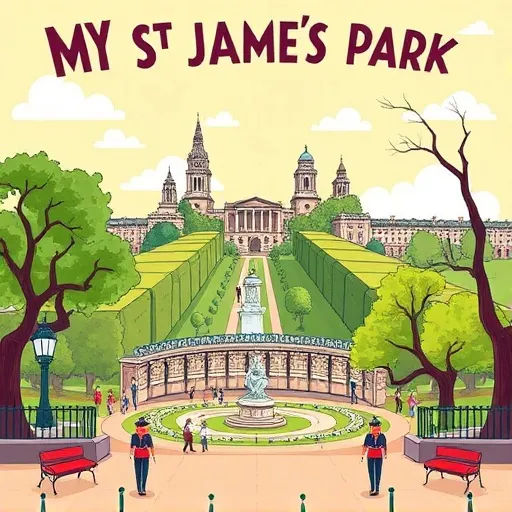
Historic London Park
Why St James's Park Is a Photographer's Paradise
Let me tell you something—if you're hunting for st james's park photos that truly stand out, you've just hit the jackpot with this spot. St James's Park isn't just another patch of green in London; it's a living, breathing slice of history that's been wowing visitors for centuries. As the oldest royal park in the city, it sits practically on the doorstep of Buckingham Palace, giving you that picture-perfect London backdrop every photographer dreams of. And here's the kicker: the park's prime location means you're always within spitting distance of some of the city's most recognizable London landmarks, making it the ultimate launchpad for any photography adventure.
What makes st james's park photos so ridiculously special is the sheer variety of subjects you can capture in a single afternoon. One minute you're snapping graceful swans gliding across the lake, and the next you're framing the majestic towers of the palace in the distance. The park's thoughtful design—winding paths, mature trees, and meticulously curated flower beds—offers endless compositional possibilities. Whether you're into landscape photography, wildlife photography, or candid street scenes, this place delivers on every single front. Honestly, it's like a buffet for your camera.
The Unique Charm of the Park's Landscape and Scenic Views
Unlike some of London's other royal parks, St James's Park has a more intimate, refined character that sets it apart. The lake, which runs straight through the heart of the park, creates natural leading lines that pull your eye toward the palace. And the famous Blue Bridge? Oh, that's the holy grail—one of the most photographed viewpoints in the entire city. From there, you can capture perfect symmetry of the palace reflected in the water, and trust me, it never gets old. It's no wonder professional photographers and tourists alike gravitate to this spot for their most memorable shots. If you're looking for st james's park photos that scream "iconic London," this is where you need to be.
The park's landscaping is deliberately designed to create picturesque vistas at every turn. Mature plane trees provide natural framing for your compositions, while seasonal flower displays add vibrant splashes of color throughout the year. In spring, the park transforms into a canvas of cherry blossoms and daffodils; in autumn, the golden and russet tones of falling leaves create a warm, romantic atmosphere that's absolutely perfect for portrait photography. Every season brings its own flavor, and that's what keeps photographers coming back for more.
Best Times to Capture St James's Park Photos in 2026
Timing is everything when it comes to photography, and that's especially true here. The quality of light can dramatically transform your images, so let's break down the optimal times to visit throughout the year to get those jaw-dropping st james's park photos.
Golden Hour Magic for Stunning Photography
If you want to capture truly breathtaking st james's park photos, you absolutely have to visit during the golden hour—that magical window just after sunrise or just before sunset when the light takes on a warm, golden glow. In 2026, London's sunrise times range from around 4:45 AM in mid-June to nearly 8 AM in late December, so plan accordingly. The early morning light casts long, soft shadows that add depth and dimension to your shots, while the evening golden hour bathes the park in a romantic, amber hue that photographers obsess over. I've found that the hour before sunset is particularly magical for capturing the park's wildlife. The pelicans, which have been a fixture here since the 17th century, become more active in the late afternoon, and the waterfowl create beautiful ripples on the lake as they paddle around in the golden light. These moments make for some of the most enchanting st james's park photos you'll ever take.
Seasonal Considerations for Year-Round Beauty
Each season brings its own unique photographic opportunities to St James's Park. Spring (March to May) is arguably the most colorful time, with the flower beds bursting into life and the trees decorated with fresh green foliage. Summer (June to August) offers the longest daylight hours, giving you more time to explore and shoot, though the midday sun can be harsh—try to stick to early mornings or late afternoons. Autumn (September to November) is my personal favorite for photography. The park's trees put on a spectacular show of reds, oranges, and yellows, and the lower angle of the sun creates dramatic, moody lighting. Winter (December to February) might seem less appealing at first glance, but the bare trees create striking silhouettes against the sky, and if you're lucky enough to catch a frosty morning, the park transforms into a winter wonderland that produces some truly stunning images. No matter when you visit, there's always something worth capturing.
Top Photography Spots Within the Park for the Best Shots
Now let's get into the nitty-gritty—the specific locations within St James's Park where you'll want to set up your camera for the best results. I've organized these by what makes each spot unique so you can plan your route efficiently and maximize your st james's park photos haul.
The Blue Bridge: The Iconic View of Buckingham Palace
This is the spot you've seen in countless postcards and travel magazines. Standing on the Blue Bridge, you get a perfectly framed view of Buckingham Palace in the distance, with the lake stretching out before you and the London Eye peeking over the trees to the left. The symmetry of this composition is what makes it so appealing—the palace sits dead center, flanked by the natural beauty of the park on either side. For the best results, try to visit the bridge early in the morning before the crowds arrive. The water is usually calmer at this time, creating beautiful reflections that add a dreamy quality to your st james's park photos. If you're shooting with a smartphone, use the grid function to ensure your horizon is perfectly level, and don't be afraid to use the portrait mode to create that beautiful background blur.
The Pelican Feeding Area for Wildlife Photography
Did you know that pelicans have called St James's Park home for over 350 years? These magnificent birds, which were originally a gift from the Russian ambassador, are one of the park's most beloved attractions. The area around the pelican enclosure offers excellent photo opportunities, especially during feeding time (usually around 2:30 PM daily, but check the park's official schedule for the most current information in 2026). When photographing the pelicans, try to capture them in action—their massive wingspans and dramatic diving movements make for spectacular action shots. A telephoto lens will serve you well here, but even with a smartphone, you can get close enough to capture the texture of their feathers and the intensity in their eyes. Just remember to keep a respectful distance and never feed them without permission. These wildlife encounters are what make st james's park photos so unique.
The Flower Beds Near the Mall Entrance for Colorful Compositions
If you're visiting during the spring or summer months, make a beeline for the flower beds near the Mall entrance. The park's gardeners work tirelessly to create stunning displays that change with the seasons, and these colorful compositions provide perfect foreground interest for wider shots of the park. The contrast between the vibrant blooms and the deep green of the surrounding lawns creates images that practically jump off the screen. For macro photography enthusiasts, these flower beds are a treasure trove of close-up opportunities. Bees, butterflies, and other pollinators are constantly buzzing around, and capturing these tiny creatures in their natural habitat can result in some truly remarkable st james's park photos. A macro lens or even your smartphone's close-up mode can produce stunning results here.
The Duck Island Cottage for a Whimsical Touch
This charming, rustic cottage on the eastern edge of the lake is one of the park's hidden gems. Surrounded by lush vegetation and overlooking the water, it provides a wonderfully romantic and slightly whimsical subject for your photography. The cottage is particularly photogenic during the autumn months when the surrounding trees are ablaze with color, but it's worth visiting at any time of year. Try framing the cottage with overhanging branches in the foreground to create a natural vignette effect. Early morning mist rising from the lake adds an ethereal quality to these shots, making them some of the most atmospheric st james's park photos you'll capture. The area around the cottage is also a favorite spot for local wildlife, so keep your camera ready for unexpected encounters.
Essential Photography Tips for St James's Park Photos That Pop
Alright, let's get practical. Here are my tried-and-true tips for making sure your st james's park photos stand out from the crowd and get all the likes they deserve:
- Use the rule of thirds: When composing your shots, imagine a grid of nine equal sections over your frame. Place your main subject along these lines or at their intersections to create more balanced and interesting compositions.
- Incorporate foreground elements: Whether it's a branch, a flower, or a park bench, including something in the foreground adds depth and scale to your images, making them feel more immersive.
- Play with reflections: The lake is your best friend here. Look for calm patches of water that mirror the surrounding trees and buildings, and experiment with shooting from low angles to capture these reflections.
- Embrace the weather: Don't pack up your camera just because it's cloudy or drizzling. Overcast days provide soft, diffused lighting that's actually perfect for portrait photography, and rain can create wonderful atmospheric effects.
- Include people for scale: While the park itself is beautiful, adding a human element helps viewers understand the scale of the landscape and makes your photos more relatable.
- Shoot in RAW format: If your camera supports it, shooting in RAW gives you far more flexibility when editing your photos later, allowing you to recover details in highlights and shadows.
- Be patient with wildlife: Animals don't follow your schedule, so be prepared to wait. The reward for your patience will be those candid, natural moments that make the most memorable photographs.
Editing Your St James's Park Photos Like a Pro in 2026
Once you've captured your images, the fun doesn't stop there. Post-processing can take your st james's park photos from good to absolutely stunning. In 2026, there's an array of editing tools available—from professional desktop software to powerful mobile apps—that can help you refine your images to perfection. When editing, focus on enhancing the natural beauty of the park rather than completely transforming it. Adjust the white balance to ensure the greens look fresh and vibrant, boost the contrast slightly to add punch, and consider increasing the saturation just a touch to make the colors pop. Be careful not to overdo it, though—you want your photos to look authentic and true to the experience of being in the park.
For those shooting with smartphones, the built-in editing tools have become remarkably sophisticated. Features like automatic perspective correction can help straighten those slightly tilted shots, and the enhanced dynamic range capabilities mean you can often rescue details from challenging lighting conditions. The key is to experiment and find a style that resonates with you. Whether you're going for a natural look or something more dramatic, the right editing can elevate your st james's park photos to a whole new level.
Capturing the Park's Wildlife: A 2026 Guide to Animal Photography
One of the biggest draws for photographers visiting St James's Park is the incredible variety of wildlife that calls this urban oasis home. Beyond the famous pelicans, you'll find a diverse array of waterfowl, including swans, geese, ducks, and even the occasional heron. The park is also home to numerous songbirds, squirrels, and, if you're very lucky, you might spot the resident parakeets that have established themselves in London's parks. For wildlife photography, patience is your greatest asset. Find a comfortable spot near the lake, set up your camera, and wait for the action to unfold. Early mornings are often the best time for wildlife activity, as the animals are most active during the cooler hours of the day. Remember to bring a longer lens if you have one—a 200mm or longer focal length will let you capture detailed shots without disturbing the animals.
One of my favorite techniques for wildlife photography in the park is to focus on reflections. When a swan or duck glides across the calm water, the reflection creates a beautiful symmetry that makes for truly artistic st james's park photos. Position yourself at water level if possible, and use a fast shutter speed to freeze the motion of the birds as they move. These candid wildlife moments are often the ones that end up being the most treasured.
Photographing the Park's Surrounding Landmarks and City Views
While the park itself is a fantastic subject, its location means you can also capture some of London's most famous landmarks from unique vantage points. The view of Buckingham Palace from the Blue Bridge is perhaps the most famous, but there are other opportunities worth exploring. From various points within the park, you can capture the London Eye in the distance, particularly when framed by the park's trees. The Horse Guards Parade, located just to the east of the park, offers additional architectural interest, and the historic buildings along the Mall provide elegant backdrops for your shots. For a truly unique perspective, try photographing the park's famous view of the palace at dusk, when the lights begin to illuminate and the sky takes on those beautiful blue-hour tones. These landmark shots add variety to your collection of st james's park photos and give you a well-rounded portfolio.
Practical Information for Your Photography Visit to London's Royal Park
Before you head out with your camera, here's some essential practical information to ensure your visit to St James's Park goes smoothly. The park is open 24 hours a day, 365 days a year, so you have complete flexibility in when you choose to visit. However, certain facilities, like the park's cafes and restrooms, operate on more limited hours, so plan accordingly if you need those amenities. The park is easily accessible via multiple transportation options. Several nearby underground stations serve the area, and numerous bus routes stop along the surrounding streets. If you're driving, be aware that parking in central London is extremely limited and expensive—your best bet is to use public transportation or ride-sharing services.
When it comes to photography equipment, consider what you're willing to carry. While a full professional kit will give you the most flexibility, you can capture stunning st james's park photos with just your smartphone. Modern smartphones in 2026 boast remarkable camera capabilities, including multiple lenses, advanced computational photography, and impressive low-light performance. The best camera is the one you have with you, after all. So don't stress if you're not lugging around a heavy DSLR—just get out there and shoot.
Sharing Your St James's Park Photos with the World
Once you've captured and edited your stunning images, you'll naturally want to share them with the world. In 2026, social media platforms continue to be the primary way photographers showcase their work, and st james's park photos consistently perform well across various platforms. When posting your photos, be sure to use descriptive captions that tell the story behind the image. Mention the time of day, the weather, and any interesting encounters you had while shooting. This not only makes your posts more engaging but also helps with search engine optimization, making it easier for others to discover your work when searching for similar images.
Consider creating a themed collection of your st james's park photos, such as "A Year in St James's Park" or "The Changing Seasons of London's Royal Parks." This approach not only gives you a cohesive body of work but also provides ongoing content for your social media channels or personal blog. And who knows—your unique perspective might just inspire someone else to grab their camera and explore this beautiful park.
The Future of Photography in St James's Park and Beyond
As we move through 2026, technology continues to evolve, and the way we capture and experience places like St James's Park is changing too. Drone photography, while heavily regulated in central London, offers the potential for breathtaking aerial views of the park and its surroundings—though you'll need to check current regulations carefully, as drone use is restricted in many areas of the city. Virtual reality and augmented reality technologies are also beginning to influence how we interact with photographs. Imagine being able to experience St James's Park in immersive 360-degree imagery or overlaying historical photos onto your current view of the park. These emerging technologies open up exciting possibilities for both professional photographers and casual enthusiasts alike.
Despite all these technological advances, though, the fundamental appeal of st james's park photos remains unchanged. It's about capturing the beauty of nature in the heart of a bustling metropolis, preserving moments of tranquility and wonder, and sharing that experience with others. Whether you're using a state-of-the-art mirrorless camera or the latest smartphone, the magic of this remarkable park is waiting to be captured by your lens. So grab your camera, head to St James's Park, and see what stories you can tell through your photography. The park has been inspiring photographers for generations, and now it's your turn to add your unique perspective to that rich tradition. Happy shooting!