7 Stunning Tyne Bridges Pictures: 2026 Guide to Iconic Views
Tyne Gorge scenic vi
Why the Tyne Bridges Are a Photographer's Dream
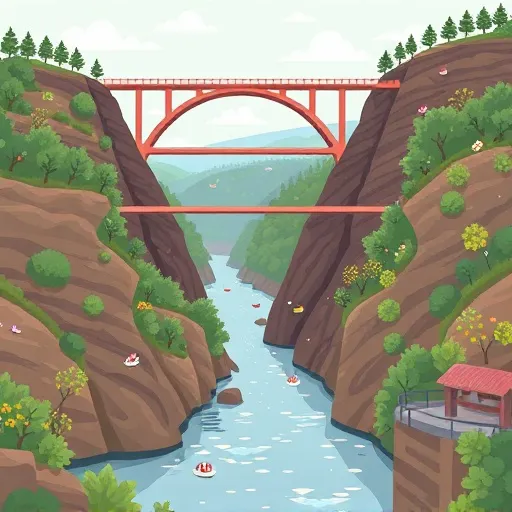
There's something almost magical about the Tyne Gorge that keeps photographers coming back year after year. Picture this: a river slicing through steep, wooded riverbanks, with iconic bridges spanning the dramatic dip at all sorts of heights and angles. It's basically a natural amphitheater designed for photography. Because of this unique geological layout, you can shoot the same bridge from dozens of different vantage points—down at river level, up on the high banks, from the water itself, or even from another bridge entirely. That's exactly why tyne bridges pictures never get old, no matter how many thousands of shots you've already taken.
But the landscape isn't the only star here. The east-west orientation of the river means you're treated to stunning golden hour light both at sunrise and sunset. Mornings bathe the eastern faces of the bridges in a warm, honey-colored glow, while evenings turn the western sky into a canvas of dramatic silhouettes. And if you're lucky enough to be there on a clear night? The illuminated bridges reflect beautifully on the water, creating a mirror-like effect that's honestly breathtaking. It's no wonder photographers chase tyne bridges pictures at all hours—every moment offers something different.
The Iconic Seven: A Quick Overview of the River's Landmarks
Most folks talk about the "seven bridges" of the Tyne, though there are actually more if you count the smaller pedestrian crossings and road bridges further upstream. For capturing that classic Newcastle skyline, these are the ones you absolutely need to know:
- The Tyne Bridge – The undisputed king, a green steel arch that defines the entire region.
- The Gateshead Millennium Bridge – The modern marvel, a tilting pedestrian and cycle bridge nicknamed the "Blinking Eye."
- The Swing Bridge – A Victorian engineering solution that still opens for river traffic today.
- The High Level Bridge – A dual-deck masterpiece carrying both road and rail.
- The Queen Elizabeth II Bridge – A sleek, modern road bridge handling most of the motorway traffic.
- The Redheugh Bridge – The workhorse, often overlooked but vital for daily commuters.
- The King Edward VII Bridge – A rail bridge frequently mistaken for the High Level Bridge from a distance.
Each of these offers unique opportunities for tyne bridges pictures, and once you know where to stand and when to shoot, you'll be amazed at what you can capture. Let's dive into the best ways to photograph each one.
Capturing the Tyne Bridge: The Green Giant of the Skyline
The Tyne Bridge is the heart and soul of the Newcastle skyline. Completed in 1928, its green steel arch is recognized worldwide. Fun fact: it was the largest single-span bridge in the world when it was built, and it still commands serious presence today. For the classic shot, head down to the Gateshead Quays or the Newcastle Quayside. Standing on the south bank looking north, you'll get the full arch profile with the city's historic buildings stacked behind it. Want something more dramatic? Walk over to the Baltic Centre for Contemporary Art and shoot from the side—this angle emphasizes the bridge's massive depth and how it anchors itself into the riverbanks.
Timing is everything here. The Tyne Bridge looks incredible at any hour, but the best tyne bridges pictures are often captured just after sunset during "blue hour." The sky turns a deep, moody blue, the bridge lights flicker on, and traffic creates glowing light trails along the road deck. If you're shooting during the day, try a slightly overcast sky—the soft light reduces harsh shadows on the steelwork and brings out the texture of that iconic green paint. And here's a unique angle idea most tourists miss: stand directly underneath the bridge on the Newcastle Quayside and look straight up. The massive steel ribs converge above you in an abstract, geometric pattern that's absolutely stunning. It's a fantastic addition to any collection of tyne bridges pictures.
The Gateshead Millennium Bridge: A Study in Motion and Light
This is the bridge that looks like a giant eyelid blinking. It's a tilting bridge, meaning the entire structure pivots to let boats pass underneath. Watching it move is a spectacle in itself, and photographing it mid-tilt? That's a bucket-list moment for any photographer. The best spot to capture the Millennium Bridge is from the Newcastle Quayside, looking south. You'll get a perfect profile view of the arch and its cables. You can also shoot from the Gateshead side near the Baltic, but you'll be looking at the back of the structure—still interesting, just less iconic.
If you want to catch the bridge in motion, you'll need to check the navigation times for when it tilts—usually a few times a day. Set up your camera on a tripod and use a slow shutter speed to blur the motion of pedestrians walking across, while keeping the steel structure sharp. Alternatively, use a fast shutter speed to freeze the moment mid-lift, showing the curve of the arch against the sky. These dynamic shots are among the most sought-after tyne bridges pictures. And at night? The Millennium Bridge is illuminated with color-changing LED lights that reflect stunningly on the water. The best spot for this is from the Newcastle Quayside near the law courts. The combination of the lit arch, dark water, and city lights in the background creates a futuristic vibe that contrasts beautifully with the older Tyne Bridge right next to it.
The Swing Bridge and High Level Bridge: Victorian Engineering Icons
These two bridges are often photographed together, creating a layered composition that showcases Victorian engineering at its finest. The Swing Bridge is the lowest road bridge on the Tyne—a hydraulic swing bridge that rotates on a central pivot to open for ships. It's a chunky, solid-looking structure painted in a dark green. The best shots are usually taken from the Gateshead side, looking slightly upstream, or from the High Level Bridge looking down onto it.
The High Level Bridge is the granddaddy of them all. Designed by the same engineer who built the Royal Albert Bridge in Cornwall, it's a double-decker with a road on the lower level and a railway line on the upper. You can walk across the lower deck, and the views through the iron columns are incredible. For tyne bridges pictures that capture the feel of the Victorian era, this is your spot. To get both bridges in one shot, stand on the Newcastle Quayside near the law courts and look west. You'll see the High Level Bridge in the background with its massive stone pillars, and the Swing Bridge in the foreground, lower and sleeker. This layered view tells the story of how the river crossing evolved over time—the contrast between stone masonry and ironwork is a delight for any architectural photographer.
The Modern Crossings: Queen Elizabeth II and Redheugh Bridges
These bridges might be less romantic than their older counterparts, but they're equally important. They handle the majority of the traffic and are engineering marvels in their own right. The Queen Elizabeth II Bridge is a cable-stayed bridge with a distinctive single tower on the Gateshead side, carrying the A1 motorway. Because it's so high and wide, it's tricky to photograph from the riverbank without getting too close. The best distant views are from the Newcastle Quayside, looking south-west—you can see it peeking out from behind the Tyne Bridge. For a more dramatic shot, try the Gateshead Riverside Park, which offers a clear view of the tower and cables.
The Redheugh Bridge is the workhorse, carrying traffic between the west of Newcastle and Gateshead. It's a modern concrete structure with a certain brutalist charm. The best time to photograph it is during golden hour, when the low sun catches the concrete and gives it a warm glow. You can get a good shot from the Newcastle side, looking down from the Quayside path. When you're hunting for tyne bridges pictures, don't just focus on the famous ones—including the modern bridges in your collection tells a complete story of the river's continuous evolution. They show that the Tyne isn't stuck in the past; it's a living, working river that adapts to modern needs.
Practical Tips for Getting the Best Tyne Bridges Pictures
Now that you know where to go, let's talk about how to get the best results. Here are some practical tips that will elevate your photography immediately.
Use a polarizing filter. This is a game-changer for river photography. A polarizing filter cuts through glare and reflections on the water, making it look deeper and clearer while enhancing the colors of the bridge steel. It's especially useful on sunny days when the glare from the water can wash out your colors. Shoot in RAW format if your camera supports it—this gives you the most flexibility when editing. The dynamic range of the Tyne Gorge can be tricky, with bright skies and dark shadows under the bridges, but RAW lets you recover details in both highlights and shadows during post-processing.
Bring a tripod for night shots. You simply cannot take sharp night photos without one. The low light conditions mean you'll need long exposures, and a tripod allows you to use a lower ISO, which reduces noise and keeps your images clean. No tripod? Find a flat wall or railing to brace your camera on. Check the tide times too—the Tyne has a significant tidal range. At low tide, the riverbanks are muddy and exposed; at high tide, the water comes right up to the walls. For the most attractive tyne bridges pictures, high tide is usually better because the water level looks fuller and the reflections are more complete. However, low tide can be interesting if you want to capture the old mooring posts and stonework that are usually hidden. And don't forget to look for the Newcastle-Gateshead passenger ferry crossing near the Millennium Bridge—including a ferry in your shot adds a sense of scale and movement, showing the river as a working waterway, not just a scenic backdrop.
Beyond the Standard Shots: Creative Ideas for Unique Photos
If you're tired of the standard postcard views, here are some creative approaches to get unique tyne bridges pictures. Long exposure water is a favorite technique—use a neutral density filter to slow your shutter speed to 30 seconds or more, turning the river into a smooth, silky mist. The bridges stay sharp and solid, creating a beautiful contrast between static steel and flowing water. This works best on days with some cloud movement, as the clouds will also blur into streaks.
You can also zoom in on the details—the rivets, the cables, the paint peeling on old ironwork, the reflections in the glass of the Baltic building. These abstract shots are a great way to build a series of images that tell a different story. You don't always need the full bridge in the frame to convey its character. And while it's tempting to shoot empty scenes, adding a person to your frame gives a sense of scale. A lone jogger running across the Tyne Bridge, a cyclist on the Millennium Bridge, or a family walking along the Quayside—these human elements make your photos more relatable and tell a story about daily life on the river.
Post-Processing Tips for Tyne Bridges Pictures
Once you've captured your images, a little post-processing can make them pop. Start with white balance—the Tyne bridges are painted in specific colors, and you want those to look natural. The Tyne Bridge is a distinctive green, the Swing Bridge is darker, and the Millennium Bridge is silver. If you're shooting at night, you'll need to adjust for the orange sodium lights or blue LED lights. Next, work on contrast and clarity. The steel structures look great with a bit of added contrast—use the "Clarity" slider in your editing software to bring out the texture in the rivets and cables, but don't overdo it. You don't want the image to look gritty or harsh.
For color grading, try a slight teal and orange grade for a classic look. This makes the green of the Tyne Bridge and the blue of the water pop against the warm tones of the city lights. For something moodier, desaturate the colors slightly and add a subtle vignette to draw the eye to the center of the frame. These small tweaks can transform good tyne bridges pictures into truly stunning ones.
Where to Share and Find Inspiration for Your Photos
After you've captured your tyne bridges pictures, you'll want to share them. There are several online communities where you can get feedback and find inspiration from others who love this river. Local photography groups on social media are a great place to start—search for "Newcastle Photographers" or "North East Photography" and you'll find thousands of enthusiasts sharing their work. Stock photography websites are another option if your pictures are good enough to sell. The Tyne bridges are popular subjects for calendars, postcards, and website banners. And Instagram and similar platforms are perfect for sharing quick shots and connecting with a global audience. Use location tags like #Newcastle, #Gateshead, and #TyneBridge to get your work seen.
Final Thoughts: The Ever-Changing Skyline of the Tyne
The beauty of the Tyne bridges is that they are never the same twice. The weather changes, the light changes, the water level changes, and even the paint color changes over time. One day you might see them shrouded in mist, looking ghostly and mysterious. The next day, they might be sparkling under a clear blue sky. If you're dedicated to capturing tyne bridges pictures, your best strategy is to visit often. Go at different times of the day, in different seasons, and in different weather conditions. You'll start to notice subtle details you missed before—the way reflections dance on the water, the way seagulls perch on the steelwork, the way city lights flicker on as dusk falls.
The Tyne is a hard-working river, and its bridges are the jewelry that adorns it. They represent history, progress, and the indomitable spirit of the North East. So grab your camera, head down to the Quayside, and start shooting. The perfect tyne bridges pictures are out there waiting for you—you just have to go and find them. Happy shooting, and enjoy the view!